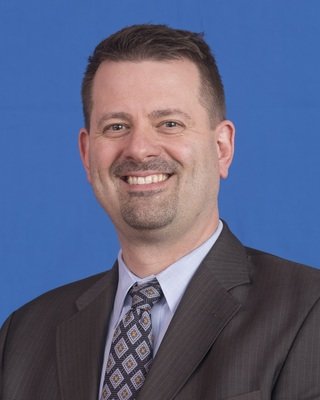
I specialize in Cognitive Behavioral Therapy for Tinnitus Distress
Gain Insight • Learn Skills • Feel Better •
Gain Insight • Learn Skills • Feel Better •
Areas of Expertise

Anxiety Disorders
I know anxiety disorders inside and out. Lived experience left me curious about the brain's alarm system, and I've been studying, treating, and teaching about it ever since. My expertise in anxiety helps me understand tinnitus distress, as people experiencing tinnitus distress are nearly 6 times more likely to have anxiety problems—because anxiety and tinnitus distress run on the same alarm system in the brain. Treating tinnitus distress, in large part, means treating anxiety. And as a licensed clinical psychologist, I can treat other conditions that sometimes contribute to tinnitus distress, including OCD, PTSD, depression, or insomnia. In my career, I have published over 35 papers on anxiety-related conditions.

Tinnitus Distress
CBT is the leading treatment for tinnitus distress—but it's rarely available in the US. After my wife was told by her ENT that there was no cure and she'd just have to learn to live with it, I watched her distress deepen rather than improve. Her eventual recovery—when we discovered that tinnitus distress could be treated like an anxiety disorder—changed the direction of my career. I sought out advanced training in Cognitive Behavioral Therapy for tinnitus distress, and now run a practice focused on tinnitus and sound sensitivity. I've helped clients recover from tinnitus in all its forms, as well as hyperacusis and diplacusis. ENTs and audiology clinics refer to me with confidence, and I've been invited to present at both audiology clinics and the VA. I'm a professional member of the American Tinnitus Association and a founding member of the Behavioral Health Tinnitus Providers Association.

Chronic Sensations
In addition to tinnitus, I treat other "neuroplastic" symptoms—also called mind-body syndromes—including dizziness, chronic pain, and IBS. These are conditions where the brain creates pain or other danger signals when there is actually nothing wrong with the body. The sensations are real, but the threat isn’t. And because we instinctively avoid pain, the brain never gets the corrective information it needs to turn off these false alarms. If you have tinnitus distress, there is a higher chance that you have other neuroplastic symptoms. To improve my treatment of all chronic sensations, I completed advanced training in Pain Reprocessing Therapy. I also meet twice monthly with a consultation group spanning medical, audiological, and psychological providers.
“My approach to therapy combines a scientific understanding of the conditions I treat with a compassionate understanding of how difficult they can be.”

My Background
I earned my PhD in Clinical Psychology at Vanderbilt University, and I completed my pre-doctoral and post-doctoral training at McLean Hospital, Harvard Medical School, ranked the #1 psychiatric hospital by US News & World Report.
In addition to providing therapy, I am an Associate Professor of Psychology at Whitman College. Outside of work, I like to connect with my children through their latest interests (wasps, hair-braiding, etc.) and spend time in the garden with my partner.
My practice is not affiliated with Whitman College.
Endorsements
“I had the good fortune to work with Dr. Armstrong at McLean Hospital/Harvard Medical School. He is highly skilled in treating anxiety disorders, providing evidence-based care with warmth, compassion, and a kind sense of humor.”
Dr. Stephanie Best
Instructor of Psychology, Harvard Medical School
Clinical Supervisor, McLean Hospital

“Dr. Armstrong has a proven track record in high-quality, evidence-based treatments for anxiety disorders. He is a kind, considerate, and thoughtful clinician and colleague. Connect with him and get started on feeling better and reducing your anxiety.”
Dr. Keneisha Sinclair-McBride
Assistant Professor of Psychology, Harvard Medical School
Attending Psychologist, Boston Children’s Hospital

“Tom is a warm, engaging, and thoughtful therapist. He is an expert in treating anxiety and mood disorders and is one of the few psychologists committed to providing CBT and ACT to clients suffering from tinnitus distress.”
Dr. Matthew Schrock
Assistant Professor of Psychology, Harvard Medical School
Co-Director of Training, McLean Hospital